
Strength Training After 50: Why It's Not Too Late to Start
Many people believe that after 50 you should avoid strength training and stick to walking. Walking is excellent, but it doesn't fully replace strength work. The World Health Organization includes strengthening the major muscle groups in its recommendations for adults and older people.
Why strength matters more and more with age
Strength isn't just an athletic quality. It's involved in everyday movements: standing up, carrying a bag, climbing stairs, keeping your balance or maintaining your independence. That's why progressive training of the lower body, back, arms and core can have a very concrete functional benefit.
Starting lighter doesn't mean staying light
A 55-year-old beginner doesn't need to prove anything in their first session. The right level is the one that allows for a clean movement, controlled breathing and room to progress. Over the weeks, resistance can increase. The reference materials provided for FitFait emphasize this gradual approach and respecting tempo, range of motion and rest.
Machines can reassure some beginners
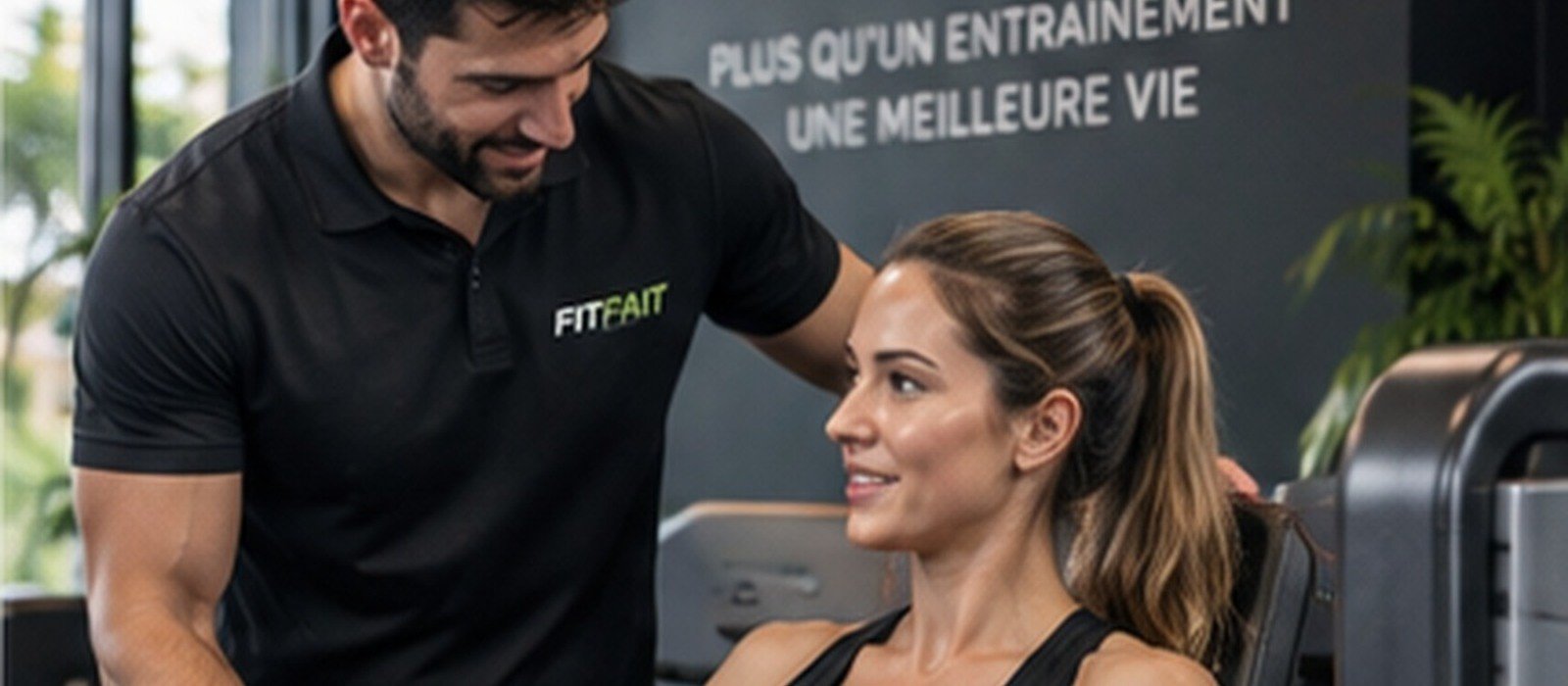
Well-adjusted machines can help guide the movement path and dose the resistance. They aren't required to get stronger, but can be useful in a guided setting. The coach's role is to set up the position, explain the movement and never confuse an effective effort with abnormal pain.
Recovery becomes part of the program
The older you get, the more it helps to take sleep, nutrition, hydration and rest days seriously. Progress comes from alternating stimulus and adaptation. Doing more isn't always doing better.
Strength and balance
For older adults, international guidelines add a specific focus on activities that train balance and coordination. Strength training can therefore be complemented by walking, balance exercises or other activities suited to the person's level.
When to seek medical advice
A healthy person can generally start progressively, but professional advice is relevant in case of chronic illness, persistent pain, a known heart condition, recent surgery or a significant limitation. A fitness website should never replace a diagnosis or prescribed rehabilitation.
Key takeaway
After 50, the goal isn't to train like you're 20: it's to build useful strength, gradually and with controlled technique. Starting late is better than never starting, and guidance can make getting back into it much simpler.
FitFait CTA
Getting back into sport after several years? FitFait can offer you a first session focused on your current level, with no comparison to others.
Book a trial